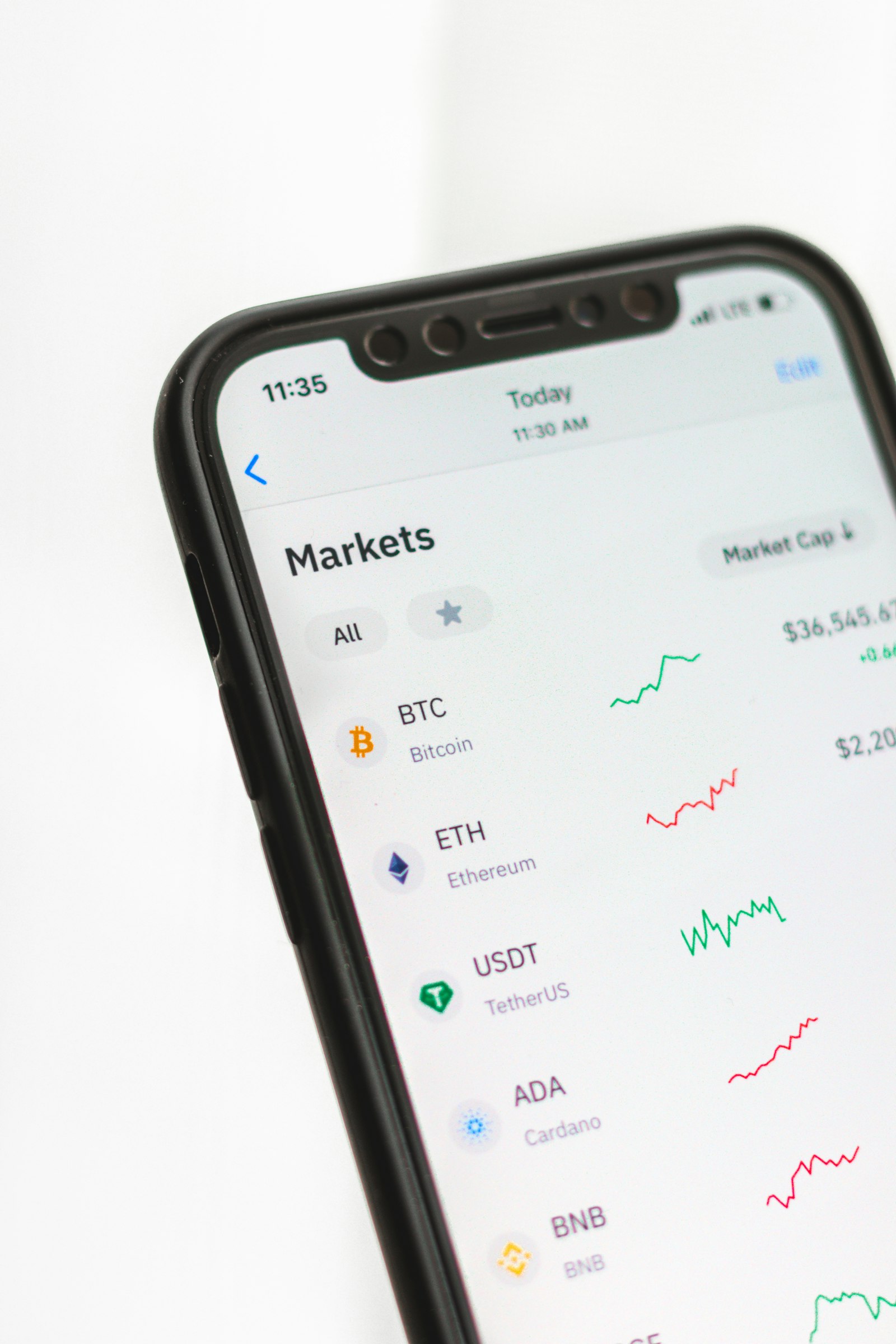
We live in a world of tap-to-pay, online banking, and digital everything. Money moves at the speed of a click, and new financial technologies seem to appear every year. So you might wonder: does an ancient metal like gold still have a place in your financial life? For many people, the answer is yes, and understanding why can help you think more clearly about building lasting wealth.
A Store of Value Through the Ages
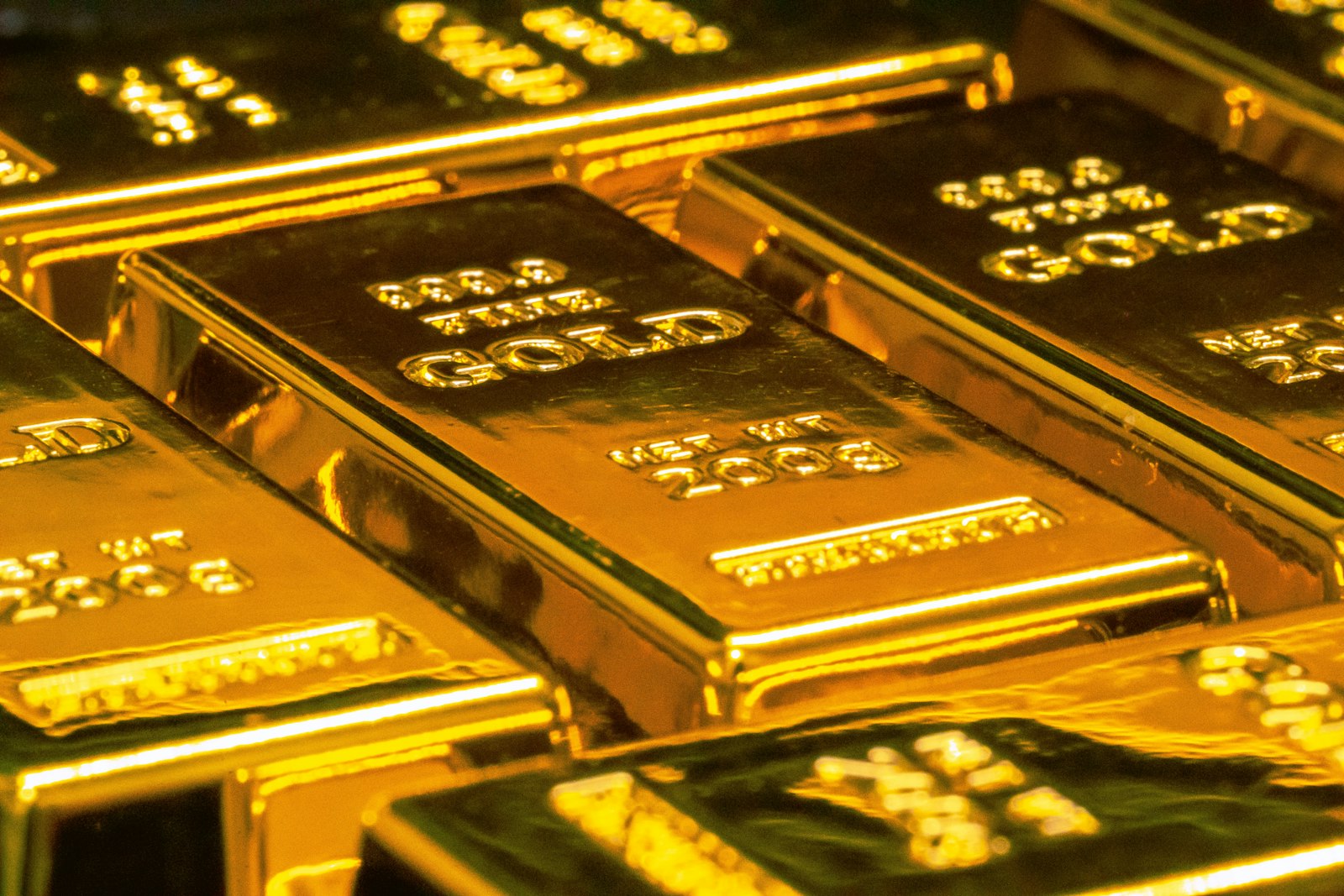
Gold has been treasured across cultures for thousands of years. Long before paper money or digital accounts, it served as a trusted form of wealth. Part of its appeal is simple: it’s scarce, durable, and can’t be created out of thin air.
That long history matters. Currencies have come and gone, but gold has consistently been recognized as valuable. This track record gives many people confidence that it can help preserve purchasing power over the long term.
A Hedge Against Uncertainty
When economic times feel uncertain, many investors turn to gold. It’s often called a “safe haven” because people tend to seek it out during periods of market stress, inflation concerns, or global instability.
That doesn’t mean gold always goes up. Its price can rise and fall like any asset. But because it often behaves differently from stocks and bonds, it can play a balancing role when other investments are struggling.
Diversification: Not Putting All Your Eggs in One Basket
One of the core principles of investing is diversification, which means spreading your money across different types of assets. Gold can be part of that mix.
Think of your portfolio like a team. Stocks may be the players focused on growth. Bonds may provide steadier income. Gold can act like a defensive player, sometimes holding its ground when others falter. Together, they can help create a more resilient whole.
Gold in a Digital World
Interestingly, technology has made gold more accessible, not less. Today you have several ways to own it:
- Physical gold: Coins and bars you can hold. This offers tangible ownership but requires safe storage and insurance.
- Gold ETFs: Exchange-traded funds that track the price of gold and can be bought through a regular brokerage account.
- Mining stocks: Shares in companies that mine gold. These can be more volatile because they depend on company performance, too.
- Digital gold platforms: Some services let you buy fractional amounts of gold stored on your behalf.
Each option has its own costs, risks, and benefits. The right choice depends on your goals and comfort level.
What Gold Doesn’t Do
It’s important to be honest about gold’s limitations. Gold doesn’t pay dividends or interest. Its value comes from what someone else is willing to pay for it. Over long periods, it may grow more slowly than a well-diversified stock portfolio.
That’s why many people see gold as a stabilizer rather than a primary growth engine. It’s one tool in the toolbox, not the whole toolbox.
Questions to Ask Yourself
Before adding gold to your financial plan, consider:
- What’s my purpose? Am I seeking protection, diversification, or something else?
- How much feels appropriate? Many people keep gold as a modest portion of their overall holdings.
- Which form fits me? Do I want to hold it physically, or is a fund more practical?
- What are the costs? Consider premiums, storage, fees, and taxes.
A trusted financial professional can help you think through these questions based on your situation.
Timeless Wealth in Modern Times
Gold endures because it speaks to something deeply human: the desire for security and lasting value. In a fast-moving digital economy, it offers a sense of grounding. You don’t need to choose between old and new. By understanding gold’s role, you can blend timeless wisdom with modern tools and build a financial foundation that supports you through every season.