We’re taught to equate strength with hardness: push through, stay armored, never let them see you feel. Yet some of the most resilient people move through life with a different power—the strength hidden in softness. Softness here doesn’t mean being a doormat. It means staying open enough to feel, kind enough to respond, and clear enough to hold a boundary without cruelty.
Softness as Flexibility
A rigid tree snaps in high wind. A flexible one bends and remains rooted. Emotional softness works the same way. When you can name sadness, ask for help, or admit you don’t know yet, you become harder to break—because you’re not spending all your energy pretending you’re unbreakable.
Vulnerability, wisely shared, is structural—close kin to quiet confidence.
Where Soft Strength Shows Up
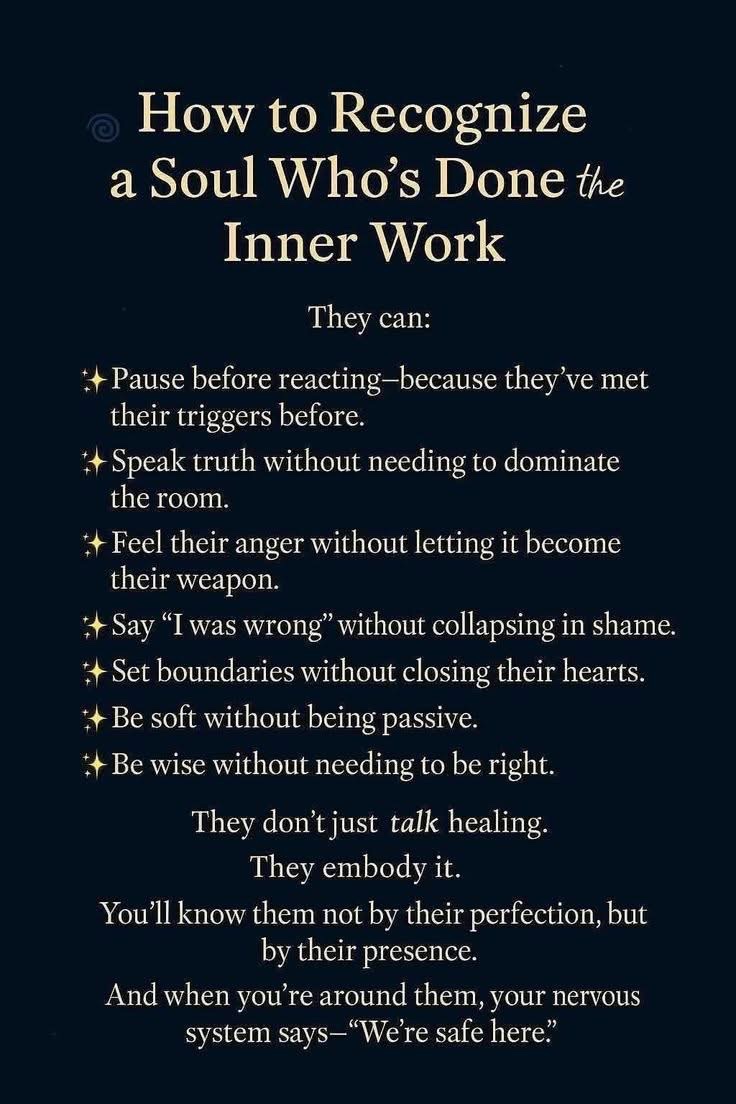
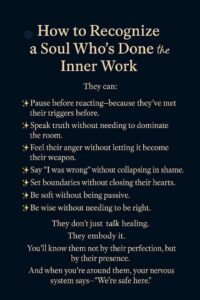
- Listening fully before defending.
- Apologizing without collapsing into shame.
- Setting a limit in a calm voice.
- Letting a tear move through instead of freezing it in the body.
These acts require more courage than silence dressed up as toughness.
Softness Needs Boundaries
True softness includes a spine. You can be warm and still say no. You can be compassionate and still walk away from what harms you. Without boundaries, softness becomes self-abandonment. With them, it becomes sustainable love—for others and for yourself.
A Daily Soft Practice
Once today, choose the softer true response over the armored one: a gentler tone, a slower breath before you reply, a hand on your own heart when you’re tempted to self-criticize. Notice that softness didn’t make you smaller. It made you more honest.
Strength that can’t soften eventually becomes brittle. Strength that can soften becomes wise.
Where could softness be your bravest choice today?
Why Strength in Softness Is So Rare
Many of us learned early that showing emotion was risky. Maybe tears were met with impatience, or kindness was mistaken for weakness. So we built armor. That armor may have protected us once, but it can also keep out connection, joy, and healing. Choosing strength in softness means gently setting that armor down—not all at once, but piece by piece, in safe places and with safe people.
Softness Toward Yourself
Softness begins at home, in the way you treat yourself. Notice how you speak to yourself after a mistake or on a tired day. Would you speak that way to a friend? Practicing self-compassion isn’t letting yourself off the hook; it’s giving yourself the support you need to grow. Every small promise you keep to yourself, as we explore in Building Self-Trust One Small Promise at a Time, is another act of gentle strength.
Softness in Relationships
In relationships, softness creates safety. When you respond to a partner’s frustration with curiosity instead of defensiveness, or to a friend’s mistake with grace instead of judgment, you make room for honesty and repair. Over time, these choices build trust that harshness never could.
Soft Power in a Loud World
The world often rewards the loudest voice. But some of the most influential people lead with calm, kindness, and steady presence. True Strength Lies in Subtlety explores how gentle strength can be more powerful than force.
- Choose a calm tone in a tense conversation.
- Offer encouragement instead of criticism.
- Let yourself rest without guilt.
- Admit when you’re hurting, to someone you trust.
Strength in Softness During Hard Times
Softness can be especially powerful when life is painful. Instead of numbing or pushing through, you allow yourself to grieve, rest, and ask for help. That doesn’t make you fragile. It makes you human—and it often helps you heal more fully. People who can hold their pain with gentleness tend to recover with more wisdom and compassion for others. In the hardest seasons, strength in softness may look like letting yourself be cared for, crying when you need to, and trusting that tenderness is part of how you rebuild.
Be patient as you practice. Softening old armor takes time, and every gentle choice counts.
Softness and strength were never opposites. When they work together, they create a resilience that bends without breaking and a love that protects without hardening.
Strength in softness isn’t weakness. It’s the courage to stay open in a world that often asks us to close.