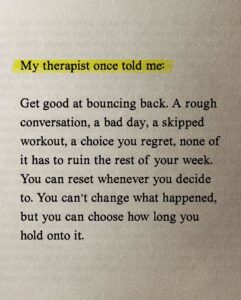
Not every hard moment is a crisis. Most days, it’s the small stuff: a frustrating email, a tense conversation, a plan that falls apart, a mood that sours by noon. These moments aren’t life-changing, but how long they linger can shape the whole day.
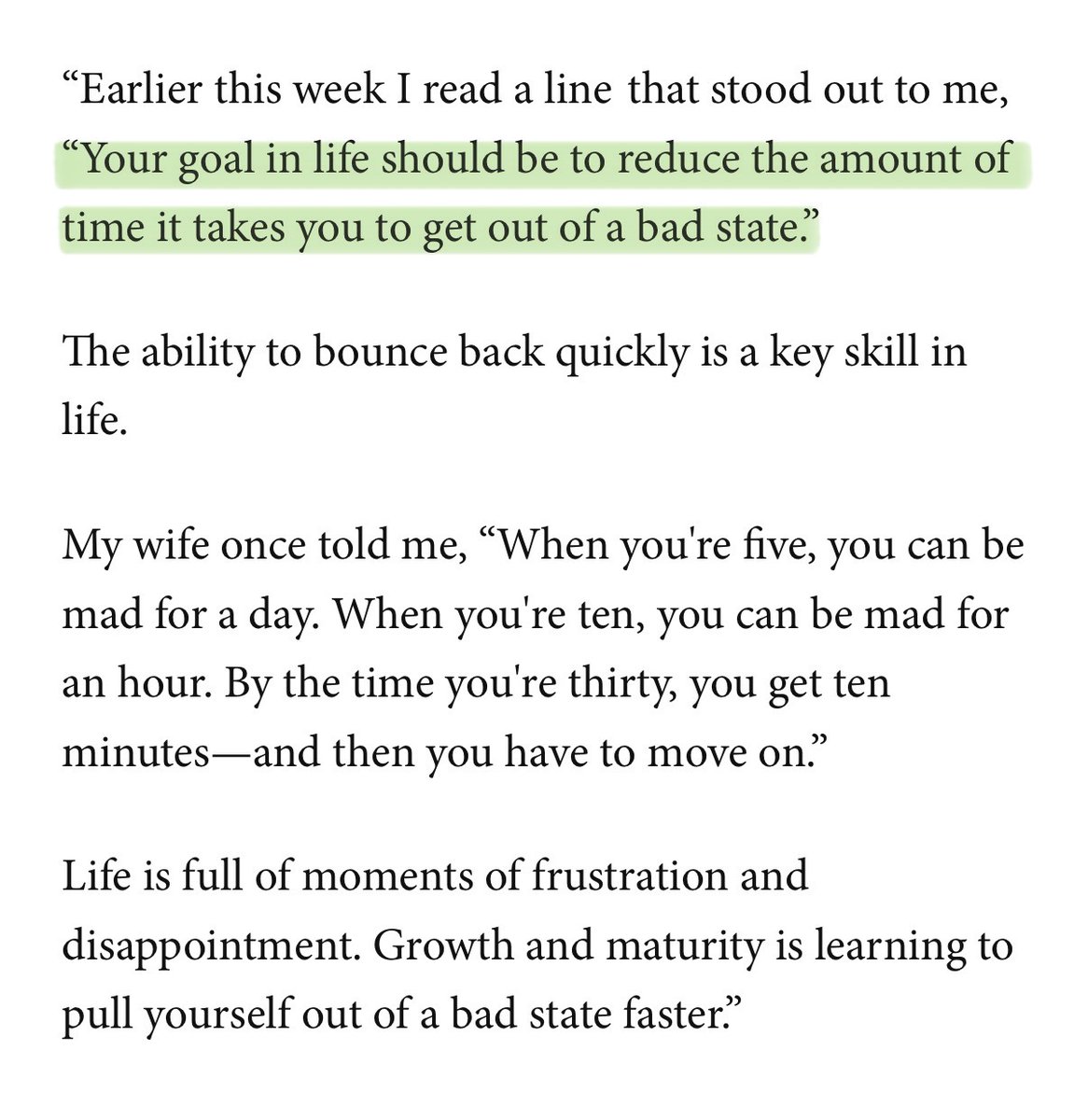
A short passage puts it beautifully. Its author shares a line that stood out to them: “Your goal in life should be to reduce the amount of time it takes you to get out of a bad state.”
Disclaimer: This article is for general educational purposes only and is not medical or mental-health advice. If you are struggling, please reach out to your doctor or a licensed mental-health professional. If you are in crisis or thinking about harming yourself, call or text 988 to reach the 988 Suicide & Crisis Lifeline (US), or call 911 in an emergency.
Feelings Are Allowed. Staying Stuck Is Optional.
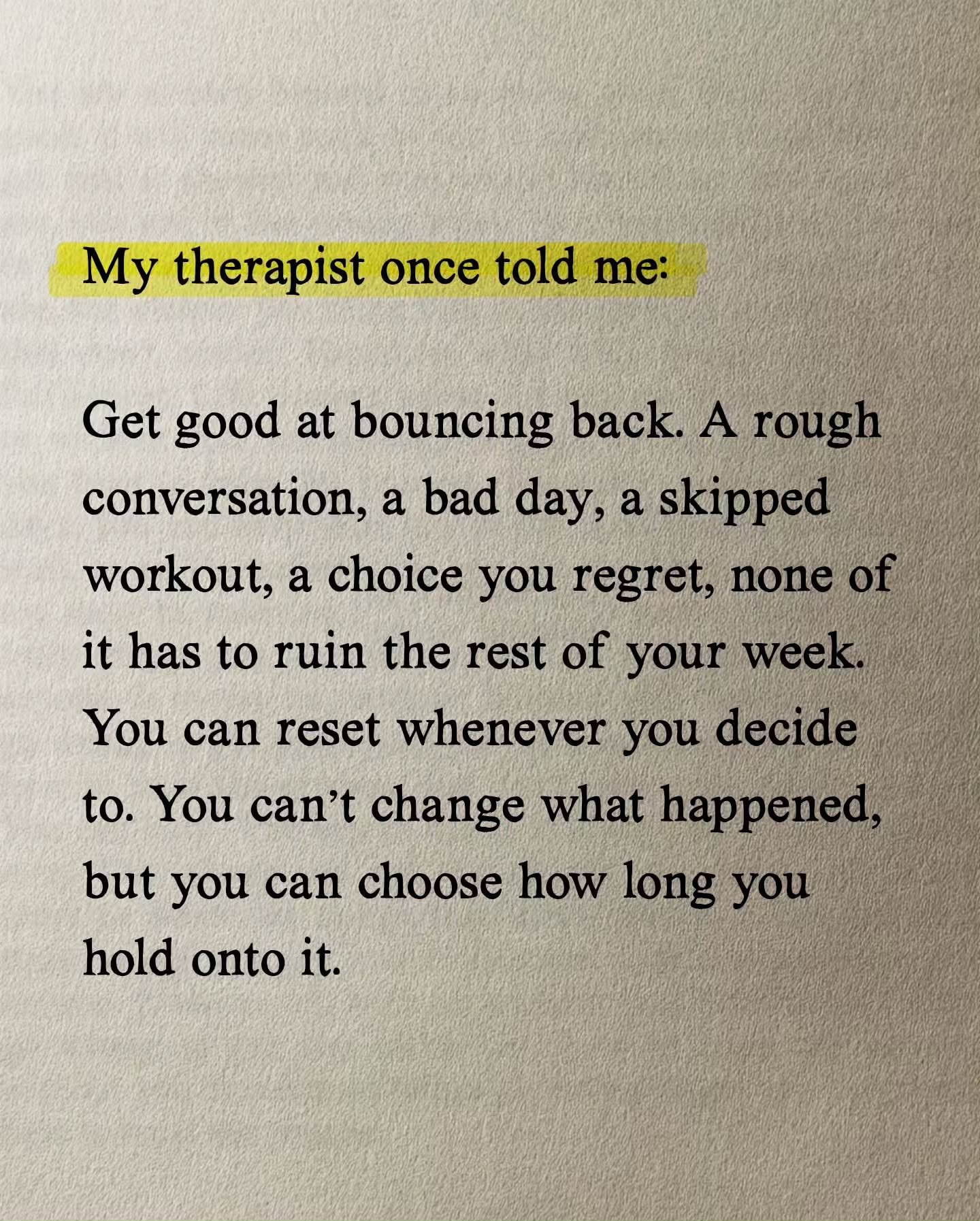
This reframe takes the pressure off. The goal isn’t to never feel angry, sad, irritated, or discouraged. Those feelings are human, and they often carry useful information. The goal is to shorten the time you stay stuck in them.
As the passage puts it: “The ability to bounce back quickly is a key skill in life.” The author also shares a bit of wisdom from his wife: a five-year-old can be mad for a day, a ten-year-old for an hour, and by thirty, you get about ten minutes “and then you have to move on.” And it closes with this: “Growth and maturity is learning to pull yourself out of a bad state faster.”
Why Speed of Recovery Matters
A bad mood that lasts ten minutes is a moment. One that lasts all day can affect your work, your relationships, and your sleep. Over a lifetime, the difference between quick recovery and slow recovery adds up to a lot of peace, or a lot of lost time.
The good news is that this is a skill. Like any skill, it gets better with practice.
Simple Tools to Reset Faster
- Name it. “I’m frustrated.” “I’m disappointed.” Naming a feeling helps you step back from it.
- Change your state physically. Stand up, step outside, stretch, or take a few slow breaths with a longer exhale.
- Shrink the story. Ask, “Will this matter in a week?” Most bad states are about today, not forever.
- Find the next useful action. Reply to the email, apologize, make the call, or simply move on to the next task.
- Talk it out briefly. A two-minute vent to someone you trust can release more than an hour of stewing.
- Set a timer. Give yourself ten minutes to feel it fully, then choose to move forward.
Track Your Progress
Notice how long your low moments last. Maybe last month an argument ruined your evening, and this month you recovered within an hour. That’s real growth, even if no one else sees it.
Today, pick one tool from this list and keep it ready for the next time a bad state shows up. The aim isn’t perfection. It’s a faster way back to yourself.
Related reading: Quick Mood Boosters and Mind Over Emotions.