It’s one of the hardest lessons to learn: you can be kind, hardworking, and genuinely good, and someone will still judge you. Not because of who you are, but because of what they carry.
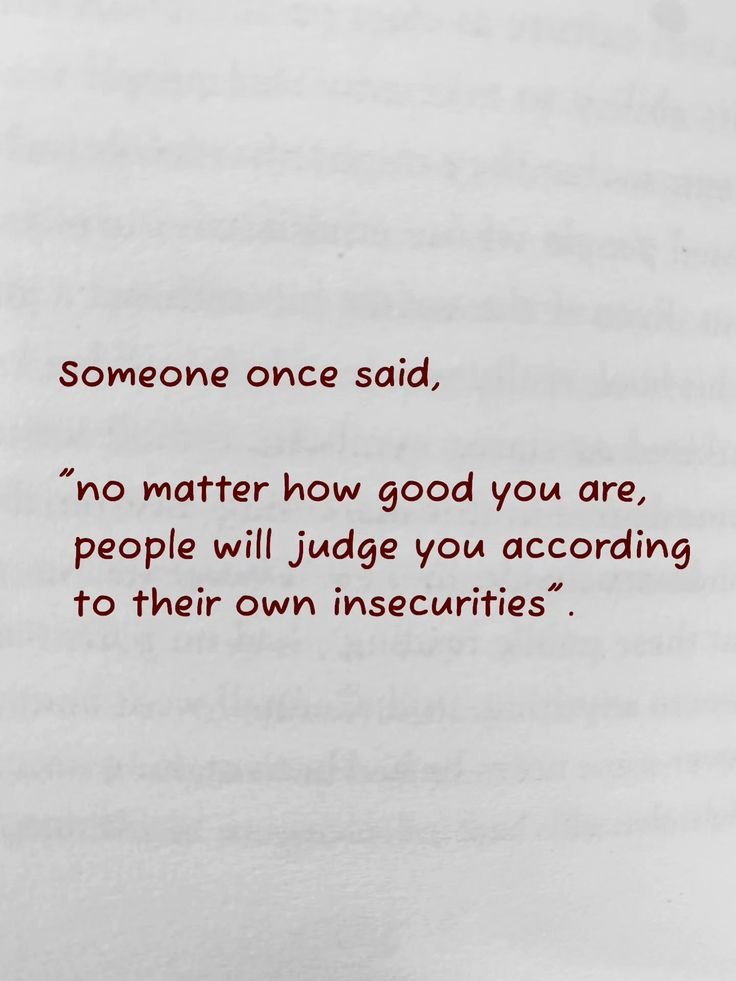
A handwritten-style graphic puts it simply: “Someone once said, ‘no matter how good you are, people will judge you according to their own insecurities.’”
Judgment Is Often a Mirror
When someone criticizes you harshly, it can feel like a verdict. But judgment often says more about the person giving it than the person receiving it.
Someone who feels unseen may resent people who shine. Someone who’s afraid to take risks may mock those who try. Someone unhappy with their own choices may criticize yours. Their words can reflect their inner world far more than your actual worth.
Not All Feedback Is Projection
This quote isn’t a free pass to ignore every critique. Sometimes people point out things we genuinely need to hear. The skill is learning to tell the difference between helpful feedback and insecurity in disguise.
Helpful feedback usually:
- Is specific and about your actions, not your character
- Comes with some care or respect
- Points toward a way to improve
Insecurity-driven judgment usually:
- Is vague, sweeping, or personal
- Comes with contempt, mockery, or envy
- Leaves you feeling small rather than helped
How to Stay Steady When You’re Judged
- Pause before reacting. Give yourself a moment before you respond or replay it.
- Take what’s useful. If there’s a grain of truth, keep it. Leave the tone behind.
- Remember your values. You’re not trying to please everyone; you’re trying to live well.
- Respond with grace or not at all. Not every comment deserves a reply.
- Lean on people who see you clearly. Their perspective is a better mirror.
Compassion Without Carrying It
Understanding that harsh judgment often comes from insecurity can even soften your heart toward the person. You don’t have to accept their words, but you can recognize the struggle behind them.
The next time someone’s opinion stings, ask yourself: “Is this about me, or about them?” More often than you think, the answer will set you free.
Related reading: Opinions and Character and Breaking Free From the Need for External Validation.