The world of money is undergoing a profound evolution, and understanding the distinctions between fiat, crypto, and Bitcoin offers valuable insight into how value is created, controlled, and perceived in our society. These three systems represent different philosophies about power, trust, and economic freedom, each with its own strengths and challenges. Exploring them can help us navigate this ever-changing financial landscape with greater awareness and purpose.
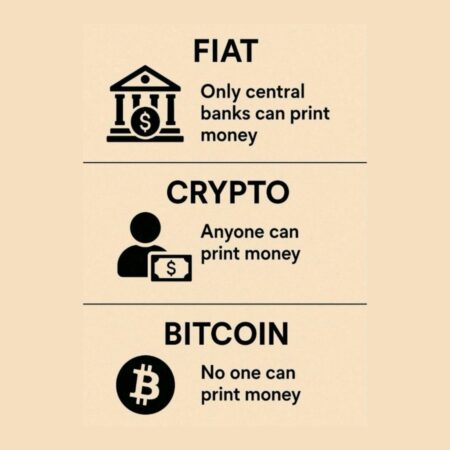
- Fiat: Represented by the iconic image of a central bank, fiat currency like the dollar or euro is printed exclusively by authorized institutions. This centralized control ensures a degree of stability and predictability, as governments and banks regulate supply to match economic needs. However, this system also concentrates power in the hands of a few, limiting accessibility and leaving individuals dependent on institutional decisions. For centuries, fiat has been the backbone of global trade, but its reliance on trust in centralized authorities raises questions about autonomy and resilience in times of crisis.
- Crypto: In stark contrast, cryptocurrency introduces a decentralized model where anyone can create their own digital money. This innovation, powered by blockchain technology, opens the door to a new era of financial inclusion and creativity. Anyone with the technical know-how can launch a cryptocurrency, from established projects like Ethereum to smaller, community-driven tokens. This democratization fosters innovation but also brings challenges—unregulated creation can lead to volatility, scams, and debates over legitimacy. Crypto represents a shift toward individual empowerment, yet it requires a discerning eye to navigate its complexities.
- Bitcoin: Unique among these systems, Bitcoin stands apart with its fixed supply and decentralized nature—no one can print more. Launched in 2009 by the mysterious Satoshi Nakamoto, Bitcoin operates on a network of miners and nodes that validate transactions without a central authority. Its scarcity, capped at 21 million coins, mimics precious metals like gold, making it a distinct asset in the financial world. This design eliminates the risk of inflation from overprinting but introduces new considerations, such as energy consumption and market volatility. Bitcoin’s trustless system relies on cryptographic security, offering a radical alternative to traditional finance.
Each system reflects a different philosophy about power and trust. Fiat depends on the authority of governments and banks, crypto on the initiative of individuals, and Bitcoin on a decentralized network that requires no single point of trust. As you explore these options, consider what aligns with your values—security and stability, freedom and innovation, or scarcity and independence. The choice isn’t just about money; it’s about the kind of economic world you want to help shape. Dive into this topic further, research the technologies behind each, and reflect on how they might influence your financial future.