Some days you feel wired and tired at the same time. Your mind races at night, your energy dips in the afternoon, and stress seems to sit just under the surface. If that sounds familiar, you may have come across ashwagandha, one of the most talked-about herbs in traditional wellness. Here’s a clear, practical look at what it is, how people use it, and how you can approach it thoughtfully.
What Is Ashwagandha?
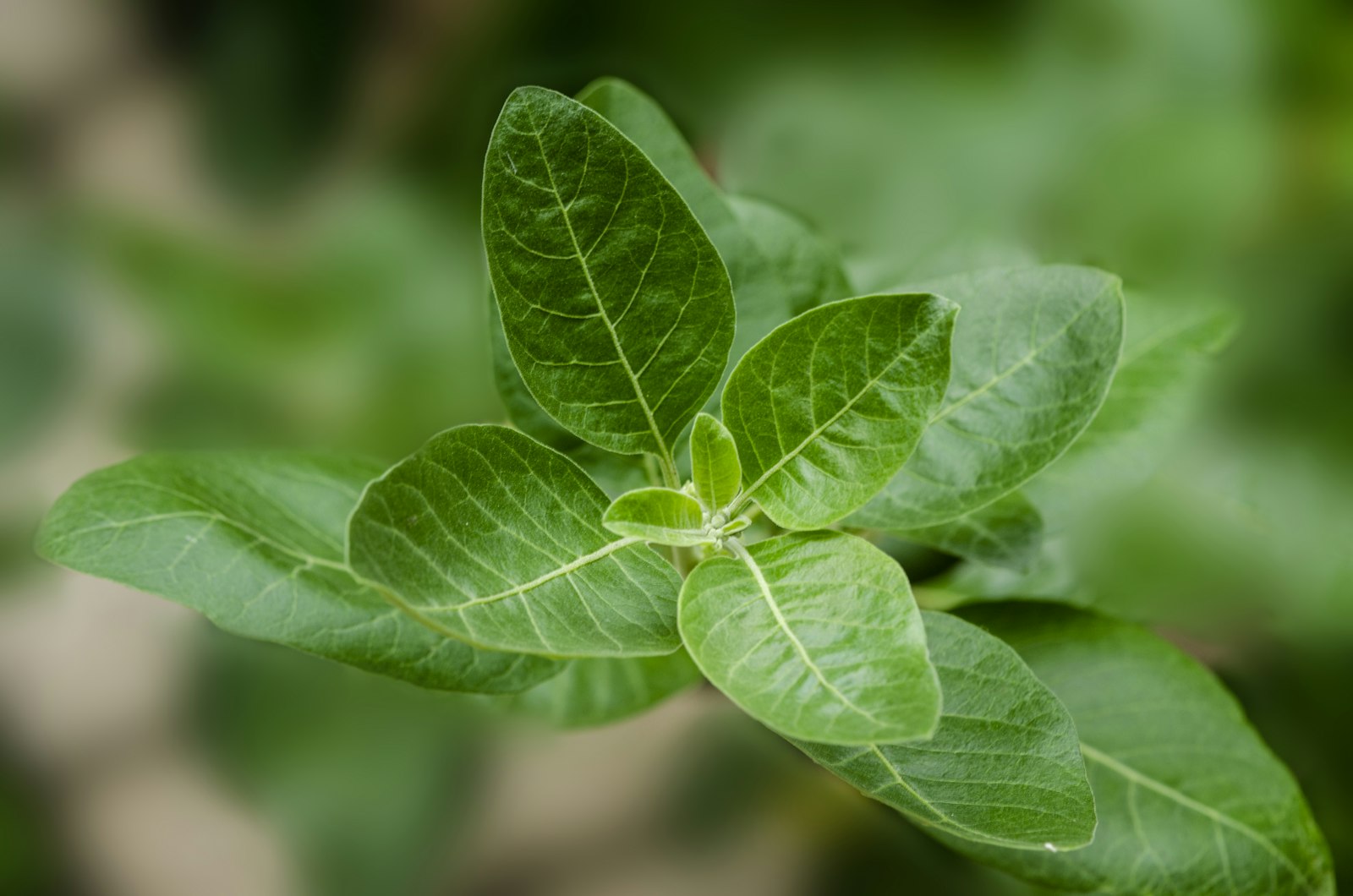
Ashwagandha (Withania somnifera) is a small shrub whose root has been used for centuries in Ayurveda, the traditional healing system of India. It’s often described as an “adaptogen,” a term used for herbs traditionally believed to help the body adapt to stress and return to balance.
Rather than acting like a jolt of caffeine or a heavy sedative, ashwagandha is valued for its gentle, steadying reputation. Many people describe it as helping them feel more grounded over time rather than instantly different.
Support for a Calmer Mind
Stress is part of life, but chronic stress can wear you down. Ashwagandha has long been used to support a sense of calm and resilience. People often reach for it during demanding seasons, such as a busy stretch at work, a big life transition, or a period when rest feels hard to come by.
You might notice that it works best as part of a bigger picture. Pairing ashwagandha with simple habits like deep breathing, time outdoors, and fewer late-night screens can make its gentle support feel more noticeable.
Better Rest, Naturally
The “somnifera” in ashwagandha’s botanical name hints at its traditional association with sleep. Many people take it in the evening as part of a wind-down ritual. Instead of knocking you out, it’s traditionally thought to help quiet the mental noise that keeps you awake.
A few ways people bring it into their evenings:
- Moon milk: Warm milk (dairy or plant-based) with ashwagandha powder, a pinch of cinnamon, and a touch of honey.
- Capsules with dinner: A simple option if you don’t enjoy the earthy taste.
- Paired with a routine: Dim lights, a short stretch, and a calming drink signal to your body that the day is done.
Steady, Sustainable Energy
It may seem surprising that the same herb is linked with both rest and energy. But when you sleep better and feel less frazzled, your energy during the day often feels steadier too. Ashwagandha is traditionally used to support vitality and stamina without the spikes and crashes that come with sugar or too much coffee.
Think of it less as a quick boost and more as an herb that supports your foundation, so your energy isn’t constantly running on empty.
How to Get Started
If you’re curious about trying ashwagandha, keep it simple:
- Choose quality. Look for reputable brands that clearly label the source and form, whether root powder or a standardized extract.
- Start small. Begin with a modest amount and see how your body responds.
- Be consistent. Adaptogens are traditionally used over weeks, not days. Give it time.
- Pay attention. Notice your sleep, mood, and energy. Your body’s feedback matters most.
A Few Important Considerations
Ashwagandha isn’t for everyone. It’s generally not recommended during pregnancy, and it may interact with certain medications, including those for thyroid conditions, blood pressure, blood sugar, or sedation. People with autoimmune conditions should be especially cautious.
As with any herb or supplement, it’s wise to consult a healthcare professional before adding ashwagandha to your routine, especially if you have a health condition or take medication.
Finding Your Balance
Ashwagandha is a beautiful reminder that healing doesn’t always have to be loud or dramatic. Sometimes it’s about gentle, steady support that helps you come back to yourself. When you combine a time-honored herb with rest, nourishment, and kindness toward yourself, you create space for calm, deeper sleep, and energy that lasts. Take it slow, listen to your body, and let balance unfold in its own time.