If you have ever searched for anything about the liver, you have probably seen milk thistle near the top of the list. It shows up in herbal guides, on supplement shelves, and in conversations with friends who swear by it. With that much noise around one plant, it is easy to feel like you are supposed to already know what it does.
Let’s slow it down. This is a plain-English look at milk thistle liver support: what the plant is, where silymarin fits in, why people are drawn to it, and why it works best as a curious side note to good medical care rather than a replacement for it.
Disclaimer: This article is for general educational purposes only and is not medical advice. Fatty liver and other liver conditions require personal evaluation by a qualified healthcare professional. Herbs and supplements can interact with medications and are not appropriate for everyone. Do not start, stop, or change any treatment based on this post.
What Milk Thistle Is (and Where Silymarin Comes In)
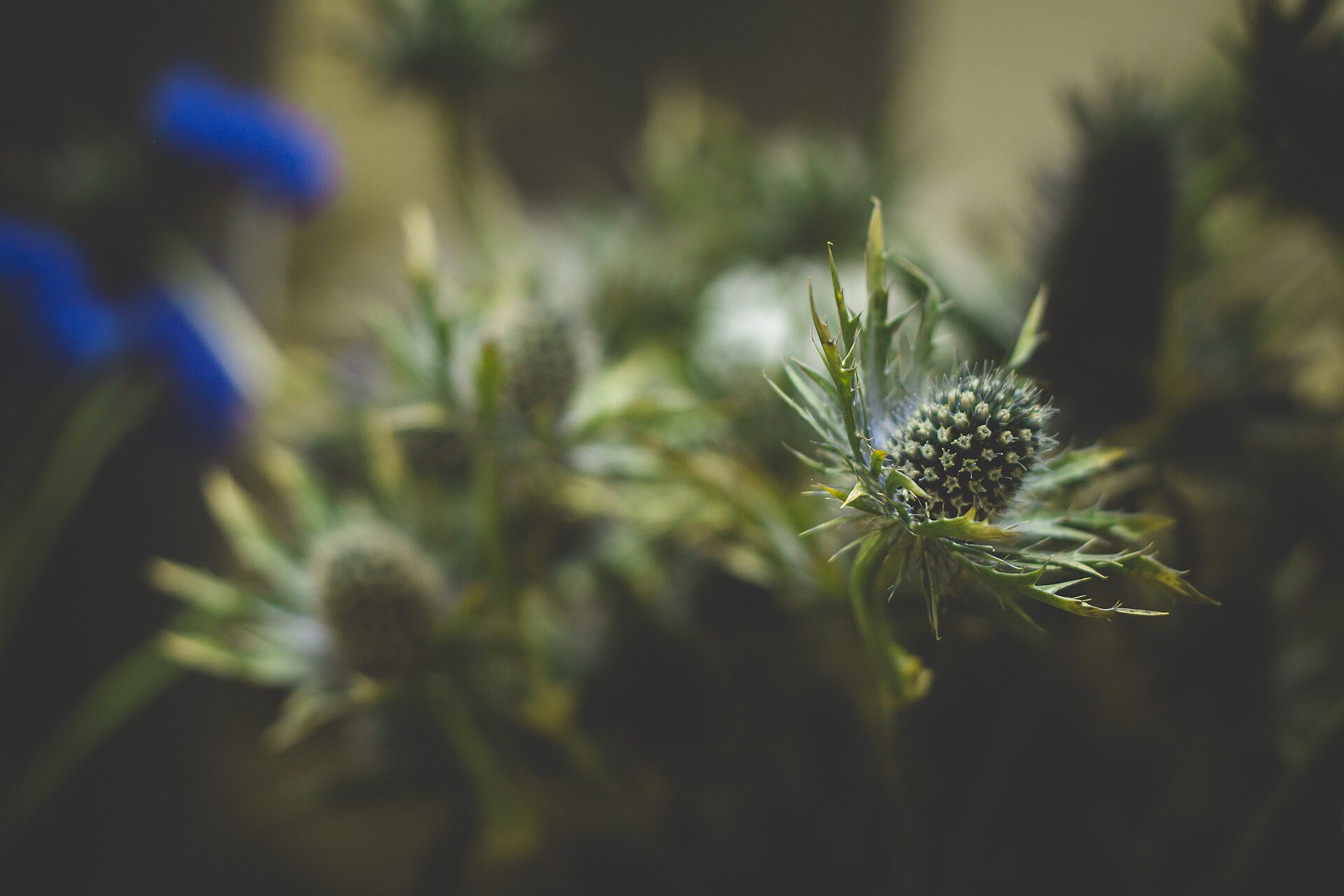
Milk thistle (Silybum marianum) is a flowering plant in the daisy family, recognizable by its purple, spiky blooms and white-veined leaves. The part people use most is the seed. Those small seeds contain a group of plant compounds collectively called silymarin.
Silymarin is not one single substance. It is a blend of related compounds, the best known of which is silibinin (sometimes called silybin). When you see a label that says “standardized to 80% silymarin,” it is describing how much of that compound group the extract is meant to contain.
That distinction matters. “Milk thistle” on a label can mean anything from a loose seed tea to a concentrated extract, and the two are not the same thing in your body.
Why People Look to It for Liver Comfort
Milk thistle has a long history in traditional European herbalism, where it was used for digestion and for the liver and gallbladder. That history is a big part of why it is still the first herb many people reach for.
Modern research has been curious about it too. Silymarin has been studied for its antioxidant properties, and researchers have looked at it in a range of liver-related settings. The honest summary is that the evidence is mixed and still evolving. Some studies have reported encouraging signals; others have found little measurable difference. It has not been shown to cure, reverse, or treat fatty liver disease, and no herb replaces the evaluation and follow-up a clinician can offer.
So where does that leave you? In a calm middle place. Milk thistle is a plant with real traditional interest and ongoing research, not a miracle and not a myth. Holding both of those truths at once is part of making grounded choices.
Forms People Use: Tea vs. Standardized Extracts
When people talk about milk thistle, they usually mean one of a few forms:
- Seed tea. Crushed seeds steeped in hot water. Silymarin does not dissolve well in water, so tea is generally considered a gentle, ritual-style way to enjoy the plant rather than a concentrated source.
- Ground seeds. Some people sprinkle ground seed into smoothies or oatmeal as a food-style habit.
- Capsules and standardized extracts. These are the forms most often used in research. Strength and quality vary widely between brands.
- Liquid tinctures. Alcohol- or glycerin-based extracts, which can vary just as much.
We are not going to suggest an amount here, and that is on purpose. The right form and dose, if any, depends on your health history, your medications, and what your clinician sees in your labs. Supplements are also not regulated the way medications are, so quality and actual content can differ from what the label promises. If you do explore an extract, ask your doctor or pharmacist how to choose a reputable, third-party-tested product.
Who Should Pause and Ask a Clinician First
Milk thistle is generally described as well tolerated, but “natural” is not the same as “right for everyone.” Please talk with a qualified healthcare professional before trying it if any of these apply to you:
- You have a diagnosed liver condition or abnormal liver labs. You deserve proper evaluation and follow-up, including any imaging or bloodwork your doctor recommends.
- You take prescription medications. Milk thistle may influence how the body processes certain drugs, including some that are cleared by the liver.
- You have diabetes or take blood-sugar-lowering medication, since silymarin has been studied for possible effects on blood sugar.
- You are allergic to plants in the daisy family, such as ragweed, chrysanthemums, marigolds, or daisies.
- You are pregnant, trying to conceive, or breastfeeding. Safety has not been well established.
- You have a hormone-sensitive condition. Some sources note possible estrogen-like effects from the plant.
Some people also notice mild digestive changes like loose stools, bloating, or upset stomach. Pay attention to how you feel, and stop and call your doctor if anything seems off.
How This Fits With the Bigger Fatty-Liver Herb Picture
Milk thistle is one of three herbs we highlight in our overview of the best herbs for fatty liver, alongside dandelion root and turmeric. If you are building a liver-aware lifestyle, that roundup is a good home base.
It also helps to remember where herbs sit in the bigger picture. The habits that tend to matter most are the steady, unglamorous ones: colorful whole foods, less added sugar, mindful choices around alcohol, regular movement, and good sleep. Herbs are a small branch on that tree, not the roots. If you are curious about another kitchen-friendly plant that often comes up in the same conversation, our post on turmeric benefits is a gentle next read.
Think of milk thistle as an invitation to pay attention rather than a fix to chase. The most supportive thing you can do for your liver often starts with a conversation: asking your doctor what your numbers mean, what they would like to keep an eye on, and whether any supplement makes sense for you.
A Small Step for Today
You do not need to overhaul your life or your supplement cabinet this week. Start small. Write down any herbs or supplements you already take and bring that list to your next appointment. Ask one clear question about your liver health. Then choose one everyday habit, like a daily walk or an extra serving of vegetables, to practice with consistency.
Over time, those quiet choices add up. What is one gentle step you can take for your liver today?