Search for liver herbs online and the lists seem to grow longer every year. Milk thistle, then artichoke, schisandra, burdock, chicory, licorice, and a dozen blends with names that promise a fresh start. It is easy to feel like you are missing something if your cupboard does not hold them all.
This post is a curious, careful look at herbs for liver support beyond milk thistle: a few of the botanicals people ask about most, what tradition says, what the evidence can and cannot tell us, and why humility is the most important ingredient of all.
Disclaimer: This article is for general educational purposes only and is not medical advice. Fatty liver and other liver conditions require personal evaluation by a qualified healthcare professional. Herbs and supplements can interact with medications and are not appropriate for everyone. Do not start, stop, or change any treatment based on this post.
Why the Internet Piles On Herb Lists (and How We Stay Careful)
Herb lists are popular because they feel hopeful and actionable. Unfortunately, many lists treat a long history of traditional use, a promising lab study, and solid human evidence as if they were all the same thing. They are not.
Here is the lens we use on this site:
- Traditional use tells us what people have valued for generations. It is meaningful, but it is not proof.
- Lab and animal studies help researchers ask questions. They do not tell us what will happen in a person.
- Human studies are where confidence grows, and for many herbs those studies are small, short, or inconsistent.
One more important fact: herbal and dietary supplements are themselves a recognized cause of liver injury in some cases. For anyone thinking about their liver, that makes a careful, clinician-guided approach essential, not optional.
Artichoke Leaf: A Traditional Digestion Angle
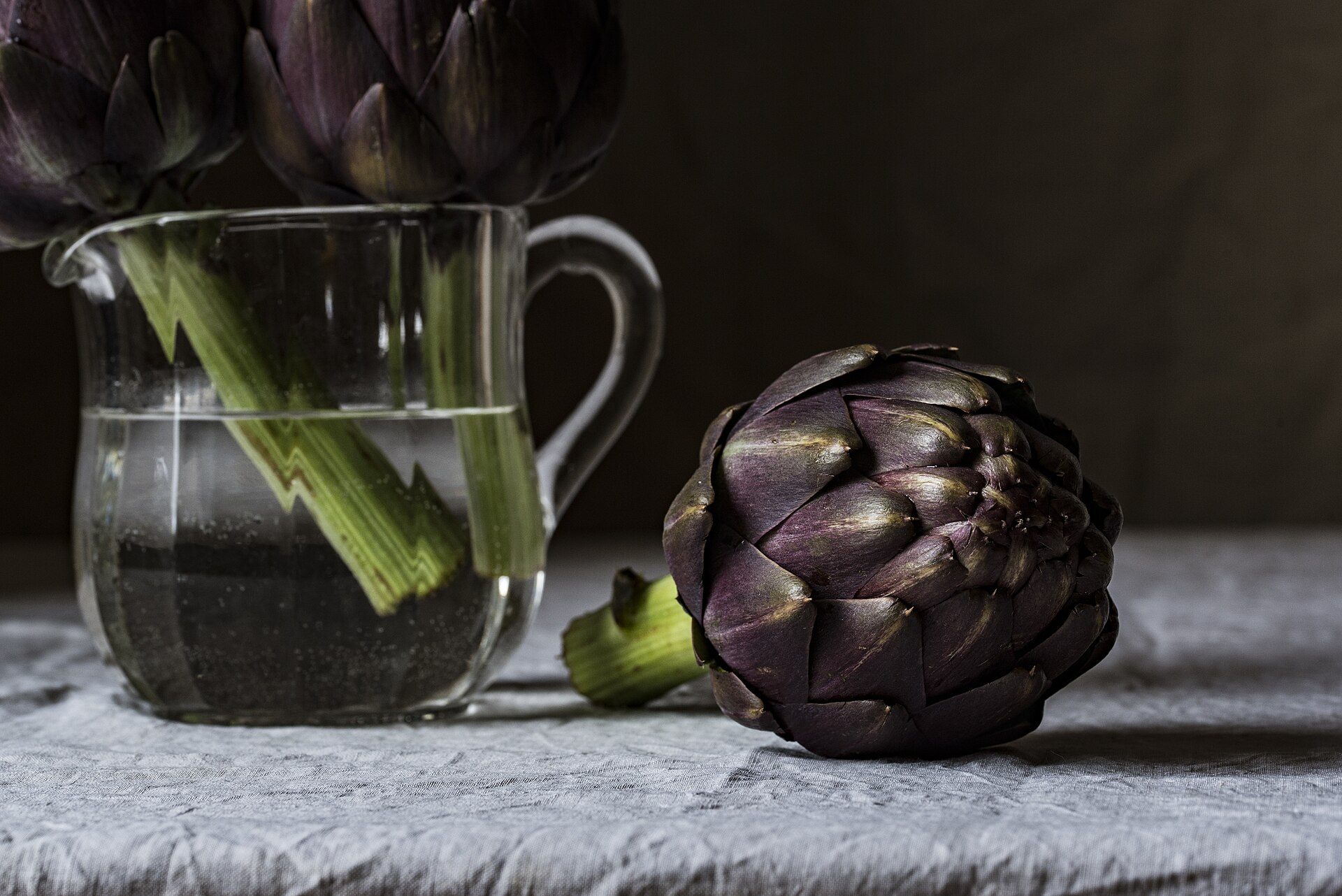
The globe artichoke (Cynara scolymus) is a familiar vegetable, but in herbal traditions it is the leaf, not the part we eat, that is most often used. Artichoke leaf has a history in European herbalism for digestion, particularly for feelings of fullness and indigestion after meals, and it has been explored for its potential relationship to bile flow.
Some small studies have looked at artichoke leaf extract for digestive comfort and other measures, with mixed results. It is not a treatment for any liver disease.
The easiest, most food-first way to enjoy artichokes is simply to eat them. Steamed or roasted artichokes, artichoke hearts in salads, or a simple artichoke and white bean dip bring fiber and flavor to your plate.
Who should check first: People with gallstones or bile duct problems, and those allergic to plants in the daisy family (such as ragweed, marigolds, or chrysanthemums), should talk with a clinician before trying artichoke leaf extract.
Schisandra and “Adaptogen” Marketing vs. Evidence Humility
Schisandra (Schisandra chinensis) is a berry used in traditional Chinese medicine, where it is known as the “five-flavor fruit” for its sour, sweet, salty, bitter, and pungent taste. Today it is often marketed as an “adaptogen,” a popular wellness term for herbs said to help the body handle stress.
Schisandra has been studied in laboratory and animal settings in relation to the liver, and some compounds in it have drawn researchers’ interest. Human evidence is limited, and “adaptogen” is a marketing category more than a medical one.
Important cautions: Schisandra may affect how the liver processes some medications, which means it could change drug levels in the body. It is generally not recommended during pregnancy, and people with epilepsy, acid reflux, or ulcers are often advised to avoid it. Anyone on prescription medications should talk with a pharmacist or doctor first.
If the word “adaptogen” is new to you, our post on ashwagandha basics explains what people mean by it, and why a measured approach is wise.
What We Deliberately Won’t Recommend as DIY
Some herbs appear on liver lists but carry real risks, so we do not recommend trying them on your own:
- Concentrated multi-herb “liver detox” blends, which can be hard to evaluate and may contain ingredients that stress the liver
- Licorice root in large or long-term amounts, which can raise blood pressure and lower potassium
- Green tea extract supplements, which differ from drinking green tea and have been linked to cases of liver injury
- Any herb if you have a diagnosed liver condition, unless your care team has approved it
Quality is another concern. Herbal products are not regulated like medications, and contamination, mislabeling, and inconsistent strength have been documented. If a product promises to “cleanse,” “regenerate,” or “reverse” anything, consider that a red flag.
Back to the Core Trio
If you want a starting point, our overview of the best herbs for fatty liver focuses on three plants with the longest track records in this conversation: milk thistle, dandelion root, and turmeric. To go deeper, start with what milk thistle and silymarin are (and aren’t) and our gentle dandelion root tea ritual. Even with those, we encourage food-first habits and a conversation with your clinician before supplements.
And remember the deeper roots of liver-aware living: colorful whole foods, less added sugar, mindful choices around alcohol, regular movement, and restful sleep. Herbs are the leaves on that tree, interesting and sometimes lovely, but not what holds it up.
Curiosity, With Care
It is wonderful to be curious about plants. Let that curiosity lead you to your kitchen and to good questions, rather than to a cart full of capsules. This week, consider adding artichokes to a meal, and if an herb has caught your interest, write it down for your next appointment.
What question about herbs would you like to bring to your doctor?