Few topics bring up as much guilt as the drinks in our glass and the sweets on our plate. Maybe you have read a headline that left you anxious, or a friend’s “clean living” post that made you feel behind. If your liver is on your mind, those feelings can get louder.
This post takes a different approach. It is a calm, non-judgmental look at alcohol sugar liver health conversations: why these two come up so often, how “less and less often” can be more sustainable than all-or-nothing rules, and when it is time to set Google aside and talk with a professional.
Disclaimer: This article is for general educational purposes only and is not medical advice. Fatty liver and other liver conditions require personal evaluation by a qualified healthcare professional. Herbs and supplements can interact with medications and are not appropriate for everyone. Do not start, stop, or change any treatment based on this post.
Why Alcohol and Added Sugar Keep Showing Up in Liver Conversations
Your liver is a busy, hardworking organ. Among many other jobs, it processes alcohol and plays a central role in how your body handles sugars and fats.
Alcohol is processed mainly by the liver. Over time, heavier or frequent drinking is a well-recognized contributor to liver strain and alcohol-related liver disease. That is why doctors so often ask about drinking habits.
Added sugar, especially from sugary drinks and heavily sweetened foods, comes up for a related reason. Diets high in added sugars and refined carbohydrates are associated with weight gain, insulin resistance, and metabolic changes that researchers connect with fat building up in the liver. Fructose, found in table sugar and high-fructose corn syrup, gets particular attention because the liver handles much of it.
None of this means a slice of birthday cake or a glass of wine at a wedding is a crisis. It means patterns matter, and patterns are something you can gently shape.
“Less and Less Often” Instead of All-or-Nothing
All-or-nothing thinking often backfires. Strict rules can lead to a cycle of restriction, slip-up, shame, and giving up. A kinder frame is simply this: less, and less often, with your clinician’s input on what is right for you.
Some people, including those with certain liver conditions, are advised by their doctors not to drink at all. Others may get different guidance. That is a personal medical conversation, not something a blog post can decide. What any of us can do is notice our patterns with curiosity instead of judgment:
- When do I tend to reach for a drink or something sweet?
- Is it hunger, habit, stress, boredom, or connection?
- What would feel just as good in that moment?
Awareness is the root. Change grows from there, one honest observation at a time.
Practical Swaps for Drinks and Desserts That Still Feel Human
Small swaps work best when they still feel like a treat. A few ideas to try:
For drinks:
- Sparkling water with citrus, cucumber, or berries in a nice glass
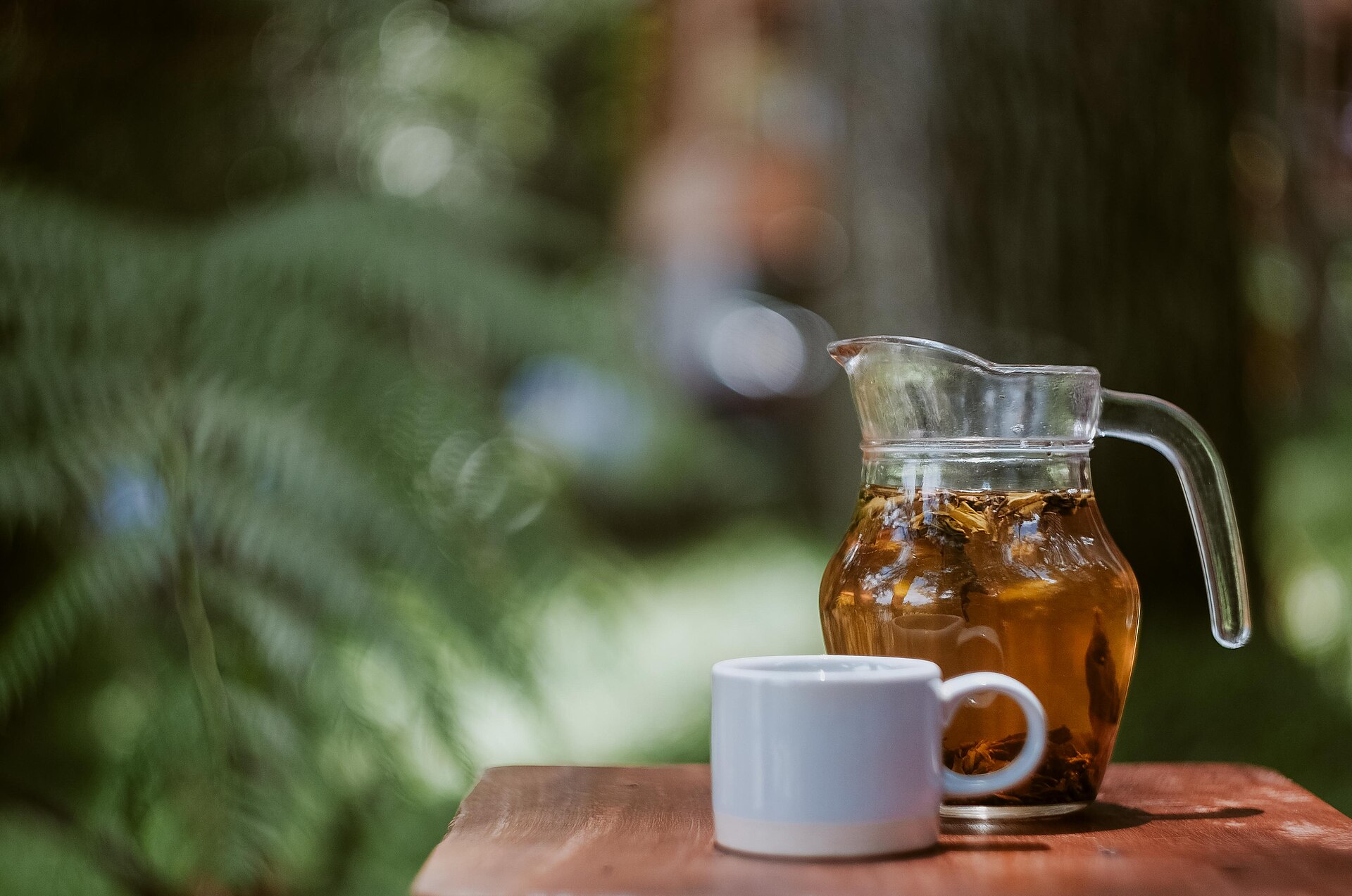
- Unsweetened iced tea or herbal tea, hot or cold
- Alcohol-free beers and mocktails, keeping an eye on sugar content
- Alternating: if you do drink, a glass of water between drinks
- Choosing a few alcohol-free days each week, if your clinician agrees that is a sensible step for you
For sweets and desserts:
- Fruit-forward desserts, like berries with yogurt or baked apples with cinnamon
- A couple of squares of dark chocolate, savored slowly
- Smaller portions of the real thing, enjoyed without guilt
- Reading labels on “healthy” foods like flavored yogurts, granola, and sauces, which can hide surprising amounts of added sugar
- Swapping soda first. Sugary drinks are one of the largest sources of added sugar for many people, so they are often the easiest place to start.
The goal is not to remove joy. It is to make room for choices that leave you feeling steady instead of depleted.
When Lifestyle Tweaks Aren’t Enough
Please do not try to manage serious concerns on your own. Reach out to a healthcare professional promptly if you notice any of the following:
- Yellowing of the skin or eyes, dark urine, or pale stools
- Swelling in the belly or legs, or pain in the upper right abdomen
- Unexplained fatigue, nausea, weight loss, easy bruising, or confusion
- Elevated liver enzymes or a fatty liver finding on a lab or scan
- Drinking that feels hard to cut back on, or that worries you or the people who love you
If you are a heavy drinker, do not stop suddenly without medical guidance. Alcohol withdrawal can be dangerous, and a clinician can help you do it safely. Support is available. In the U.S., the SAMHSA National Helpline (1-800-662-4357) is free and confidential, any time of day.
How Herbs and Food Posts Fit In
On this site, we write a lot about herbs and whole foods, including our overview of the best herbs for fatty liver. Those posts are meant to come after the basics, not instead of them. For a practical starting point on the plate itself, see liver-friendly foods for everyday meals. No tea or supplement can offset a heavy drinking pattern or a diet built on sugary drinks.
You may also see bold “detox” promises online. Be gentle but skeptical. As we explore in our guide to a full-body cleanse, your body already has its own cleansing systems, with the liver at the center. Extreme cleanses are not a substitute for steady habits or medical care.
And if you want a simple daily habit to pair with these changes, a walk is hard to beat. Our post on walking as medicine is a lovely place to start.
A Gentle Place to Begin
You do not have to change everything at once. Choose one small experiment for the next week: one soda swap a day, one more alcohol-free evening, or one dessert savored slowly instead of eaten on autopilot. Notice how you feel without judging yourself.
And if anything on the warning-sign list sounds familiar, let today be the day you make that appointment. Asking for help is a sign of strength, not failure.
What is one small, kind swap you could try this week?