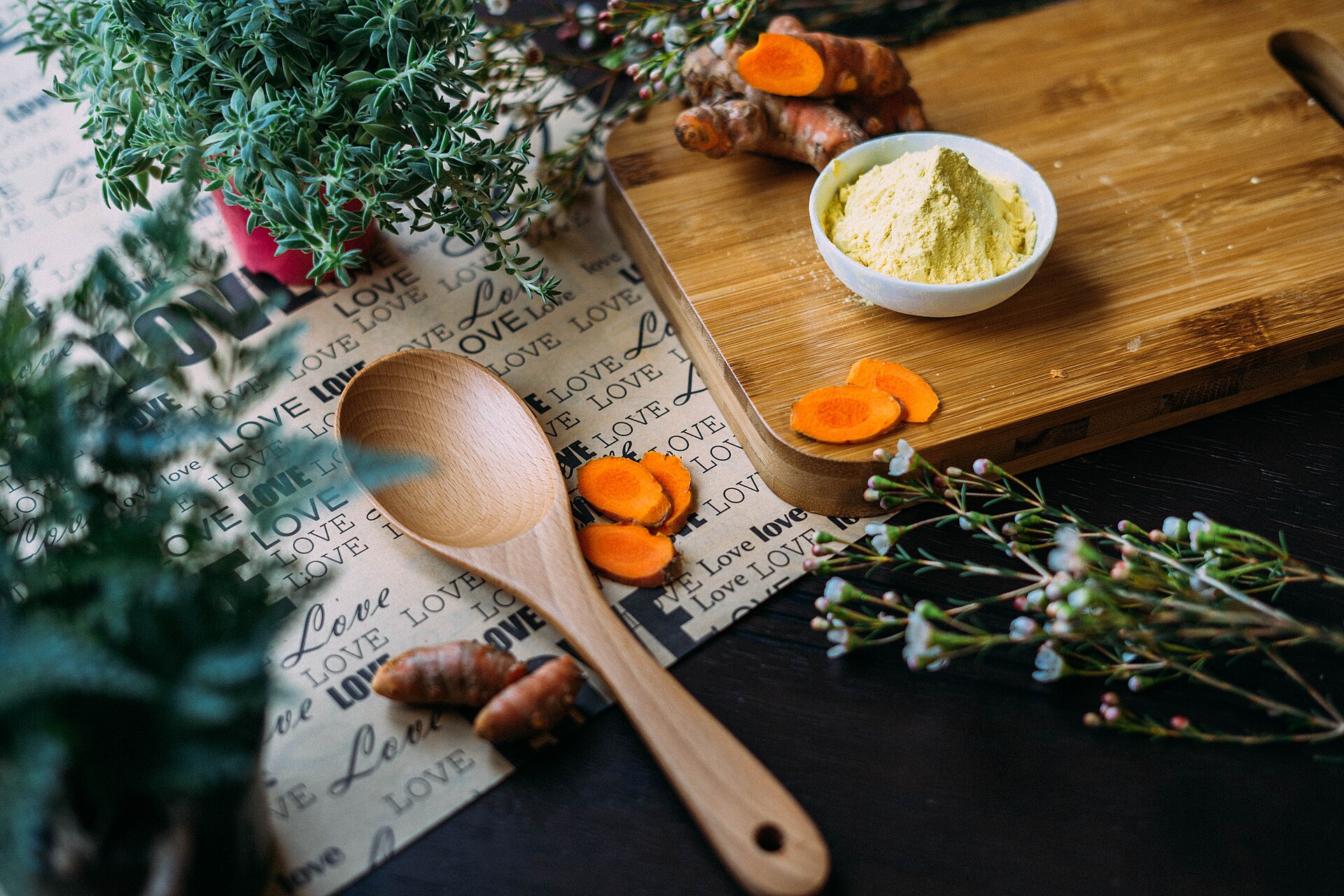
Turmeric has gone from a quiet spice-rack staple to one of the most talked-about plants in wellness. Golden lattes, turmeric shots, and curcumin capsules are everywhere, often wrapped in big promises about inflammation.
If you have felt pulled in by that buzz but also a little skeptical, you are in the right place. This post looks at turmeric curcumin inflammation conversations with clear eyes: what is actually in the jar, why black pepper keeps getting mentioned, why food-first tends to be the wiser starting point, and why supplements deserve extra care, especially if your liver is part of the reason you are reading.
Disclaimer: This article is for general educational purposes only and is not medical advice. Fatty liver and other liver conditions require personal evaluation by a qualified healthcare professional. Herbs and supplements can interact with medications and are not appropriate for everyone. Do not start, stop, or change any treatment based on this post.
Turmeric vs. Curcumin: What’s Actually in the Spice Jar
Turmeric is the golden-orange root of Curcuma longa, a plant in the ginger family. Dried and ground, it becomes the familiar spice used in curries, rice dishes, and soups.
Curcumin is one of the compounds inside turmeric, the one most studied by researchers. It is part of a group called curcuminoids, and it makes up only a small percentage of turmeric powder by weight.
This difference matters. When you read about “curcumin” in a study, it is often a concentrated extract, sometimes in amounts that would be hard to get from cooking. When you sprinkle turmeric on your eggs, you are getting the whole spice, with far less curcumin and a much gentler, food-level exposure. They are related, but they are not interchangeable.
Food-First Uses Before Supplements
Inflammation is a normal part of how the body heals and protects itself. Ongoing, low-grade inflammation is something researchers connect with many lifestyle patterns, and diet, sleep, movement, and stress all play a role. Turmeric has been studied for its potential anti-inflammatory and antioxidant properties, but results in people are mixed, and it is not a treatment for any disease.
That is why we love turmeric best as an everyday cooking spice. A few easy ideas:
- Eggs and tofu scrambles. A pinch adds warm color and an earthy note.
- Soups and stews. Lentil soup, chicken soup, or a vegetable curry welcome a spoonful.
- Roasted vegetables. Toss cauliflower or sweet potato with olive oil, turmeric, cumin, salt, and pepper.
- Rice and grains. Stir a little into the cooking water for golden rice.
- Golden milk. Warm milk (dairy or plant-based) with turmeric, cinnamon, ginger, and a crack of black pepper makes a soothing evening drink.
Cooking with turmeric invites you into a bigger habit: building meals around whole plants, herbs, and spices. That is a pattern worth practicing whether or not any single spice turns out to be a star. If you enjoy herb-forward cooking, our post on oregano as a kitchen powerhouse is another flavorful read.
Why Black Pepper and Fat Keep Showing Up
You may have heard that turmeric should always be paired with black pepper. Here is the reasoning: curcumin on its own is poorly absorbed. Piperine, a compound in black pepper, has been shown to increase how much curcumin reaches the bloodstream. Curcumin is also fat-soluble, so cooking turmeric with a little oil or eating it alongside a meal is a traditional pairing.
In the kitchen, this is simple and pleasant: a crack of pepper and a drizzle of olive oil. In supplements, it is a bigger deal. Products that add piperine or use “enhanced absorption” formulas are designed to raise curcumin levels in the body. Higher absorption also means the product is less like food and more like a drug-strength exposure, which is exactly why medical guidance matters before going that route.
How This Fits With the Fatty-Liver Herb Roundup
Turmeric is one of the three herbs featured in our overview of the best herbs for fatty liver, next to milk thistle and dandelion root. That guide is the home base for the bigger picture.
For a broader look at the spice’s history and traditional uses, see Turmeric Benefits: Curcumin for Wellness. This post is intentionally narrower: a food-first lens on comfort, absorption, and caution.
Supplement Caution: Interactions and Quality Unknowns
Here is the part that deserves real attention. While turmeric as a cooking spice is widely used, concentrated turmeric and curcumin supplements have been linked to rare cases of liver injury, including in people with no previous liver problems. For anyone who is liver-aware, that is an important reason to start with food and talk with a clinician before trying a supplement.
Please check with your doctor or pharmacist first if you:
- Have a diagnosed liver condition or abnormal liver labs
- Take blood thinners or antiplatelet medicines, since turmeric may add to bleeding risk
- Have gallstones or a bile duct problem
- Take diabetes medication, because curcumin may influence blood sugar
- Take other prescription medications, especially those processed by the liver
- Are pregnant or breastfeeding, or have an upcoming surgery
- Have a history of kidney stones or iron deficiency
Quality is another unknown. Supplements are not regulated like medications, and products have been found to contain more, less, or different ingredients than their labels list. If your doctor agrees a supplement is appropriate, ask how to choose a reputable, third-party-tested brand, and report any new symptoms such as unusual fatigue, dark urine, yellowing of the skin or eyes, or abdominal pain right away.
A Warm, Simple Place to Start
You do not need a capsule to enjoy turmeric’s warmth. Start small: add a pinch to tonight’s dinner, with a little pepper and olive oil. Let it be a reminder that caring for yourself can be colorful and calm rather than urgent and extreme.
What is one dish you could add a little golden color to this week?