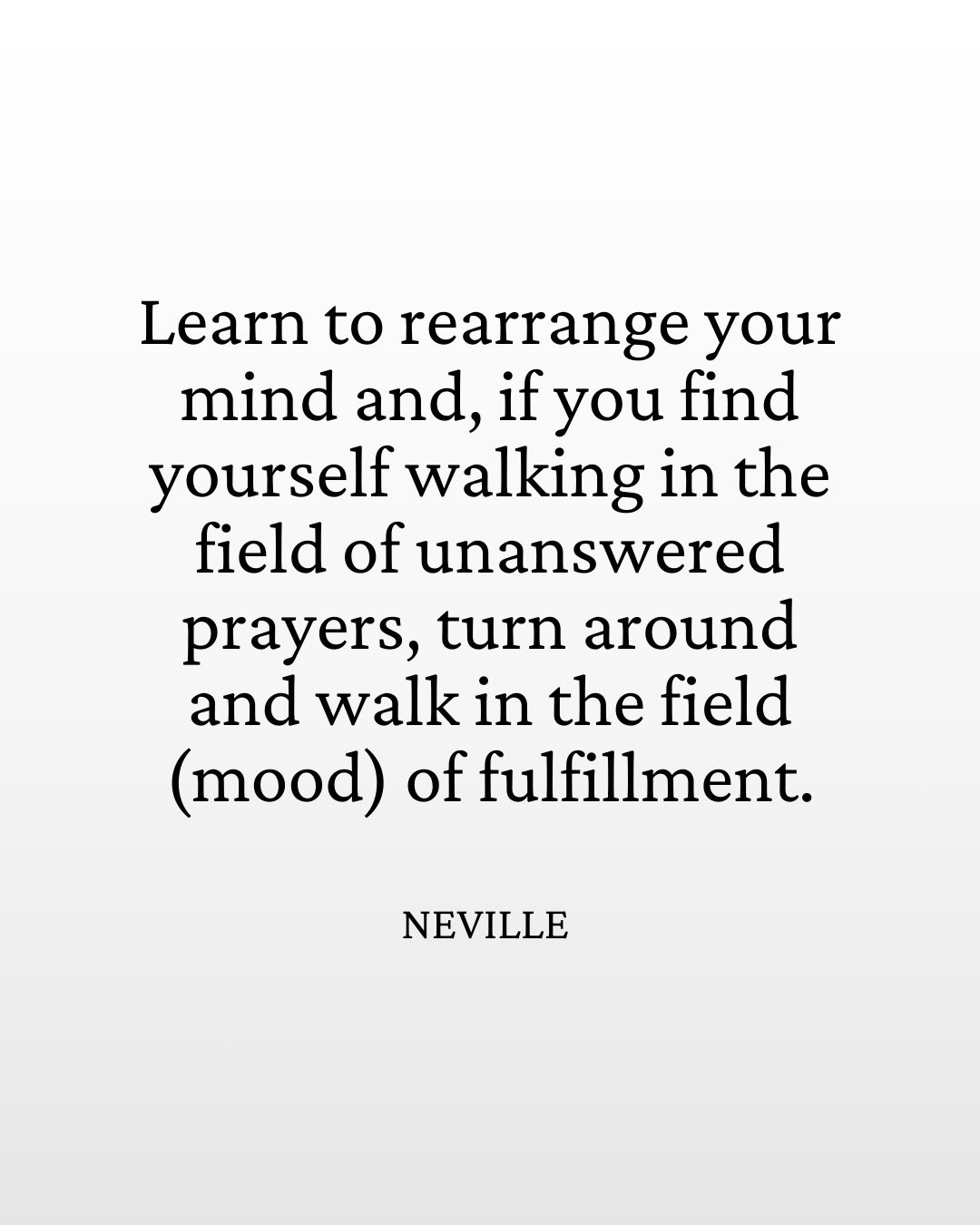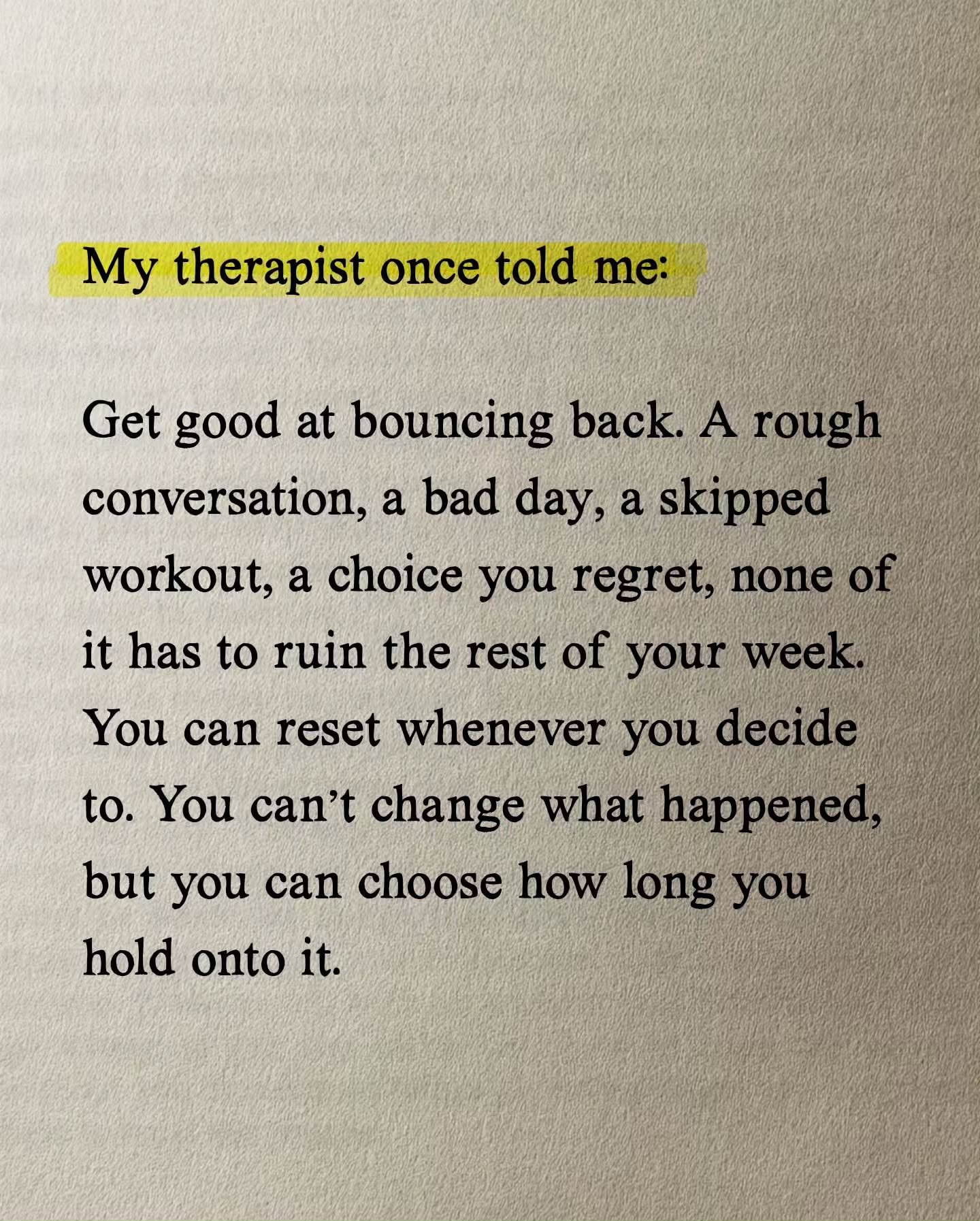
Feeling wired at bedtime while your body is exhausted is one of the most common modern frustrations. The day is done, but your mind keeps replaying conversations, unfinished tasks, and imaginary tomorrow scenarios. Overthinking before bed isn’t a character flaw—it’s often a nervous system that never got a clear “off” signal.
Disclaimer: This article is for general educational purposes only and is not medical or mental-health advice. If you are struggling, please reach out to your doctor or a licensed mental-health professional. If you are in crisis or thinking about harming yourself, call or text 988 to reach the 988 Suicide & Crisis Lifeline (US), or call 911 in an emergency.
You don’t need a perfect routine. You need a few anchors that tell your mind it’s safe to settle. For related calm-and-rest context, see ashwagandha basics for calm and sleep (educational, not medical advice).
Give Your Thoughts a Parking Spot
Keep a small notebook by the bed. Before lights out, write a short “brain dump”: worries, to-dos, half-formed ideas. You’re not solving them—you’re parking them. Many loops continue because the mind fears forgetting. Once it’s on paper, the pressure softens.
Close the notebook like you’re closing a door for the night.
Create a Soft Landing Window
Give yourself 20–30 minutes of lower stimulation before sleep. Dim the lights. Switch from problem-solving content to something slower—a paper book, gentle music, or quiet stretching—or try a 10-minute evening wind-down. The goal is to change the channel, not to force blankness.
If a thought returns, greet it: “Not now—morning.” Then return to your breath or page.
Calm the Body First
Overthinking often rides on physical tension. Try a simple progressive release: soft jaw, drop shoulders, unclench hands, lengthen the exhale. A longer exhale tells your body that the emergency is over—akin to grounding practices when life feels chaotic. When the body softens, the mind often follows.
Protect the Bedroom From Problem Hours
If possible, keep work talk and heavy planning out of the last hour. Your bedroom can become a cue for rest again when it stops doubling as a late-night office. Consistency is key; this doesn’t happen overnight, but the association rebuilds.
Morning Is for Solving
Promise yourself one thing: tomorrow morning you’ll review the notebook for five minutes. That future appointment frees tonight. Over time, your mind learns that night is for restoration, not negotiation.
Be Kind When the Mind Won’t Quit
Some nights the loops will still visit. That doesn’t mean you failed. Soften your self-talk, return to the notebook, and lengthen your exhale. Progress looks like shorter spiral time—not a permanently silent mind. Over time, your bedtime identity shifts from “the one who worries” to “the one who knows how to land.”
Tonight, park one worry on paper and take three slow breaths. What would rest feel like if you didn’t have to solve everything before sleep?